Background
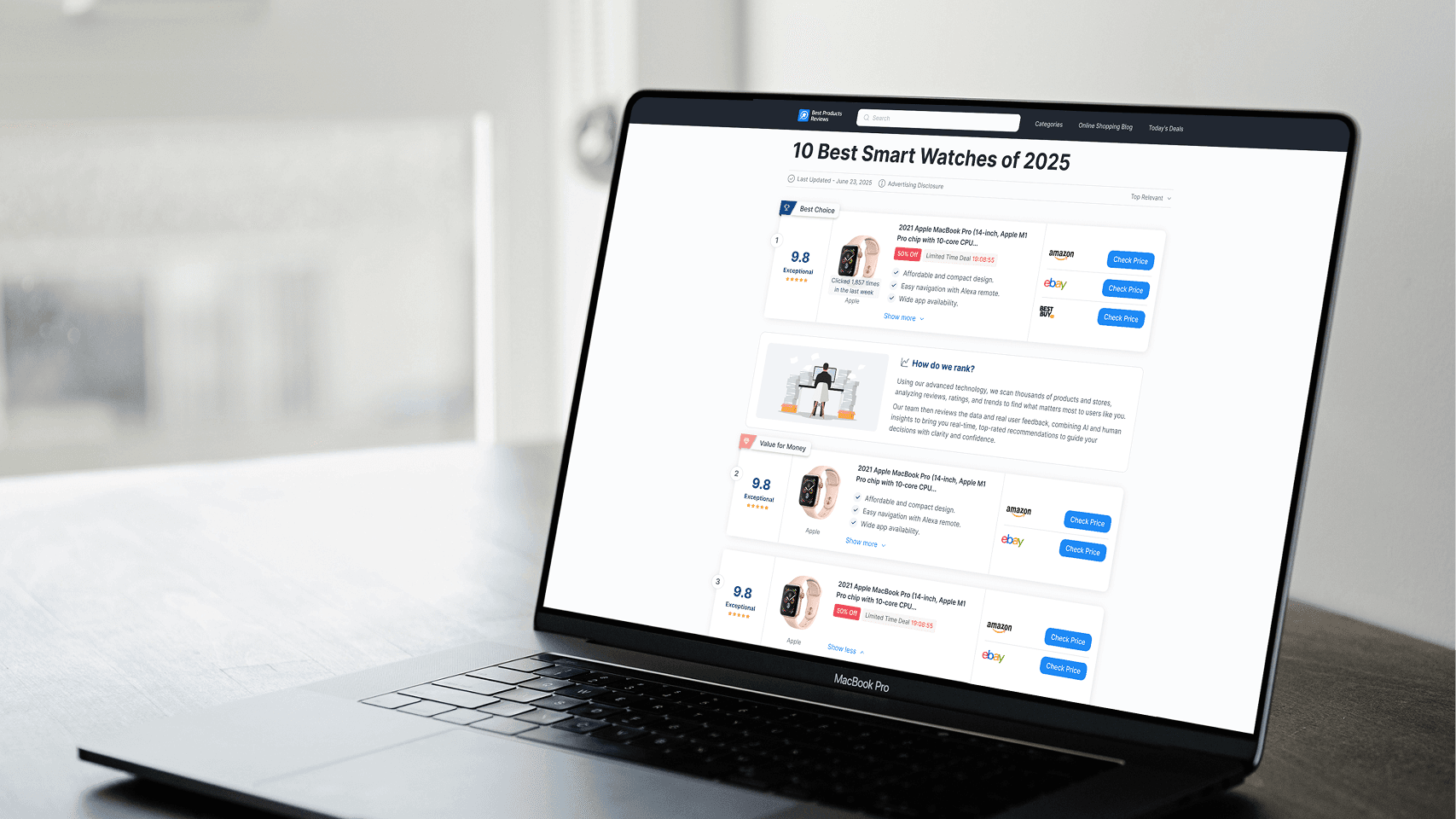
Exon used Facebook ads to drive traffic to products on Amazon, but users had limited product information between clicking an ad and reaching the marketplace. The team had long wanted to introduce a dedicated landing page that would provide more context and confidence before purchase. However, the initiative kept getting postponed due to competing development priorities. Together with the Product Manager, I saw an opportunity to turn this long-standing need into a proof of concept for a more independent, AI-driven product development workflow.
The Challenge
Rethinking how products get built
The challenge went beyond designing a landing page. We wanted to see whether product and design could take greater ownership of delivery, reducing dependency on engineering without compromising product quality. I led the process from research and product definition through design and frontend implementation - connecting AI-assisted workflows with hands-on decision-making inside the company's existing codebase.
Product Direction
Supporting different levels of purchase readiness
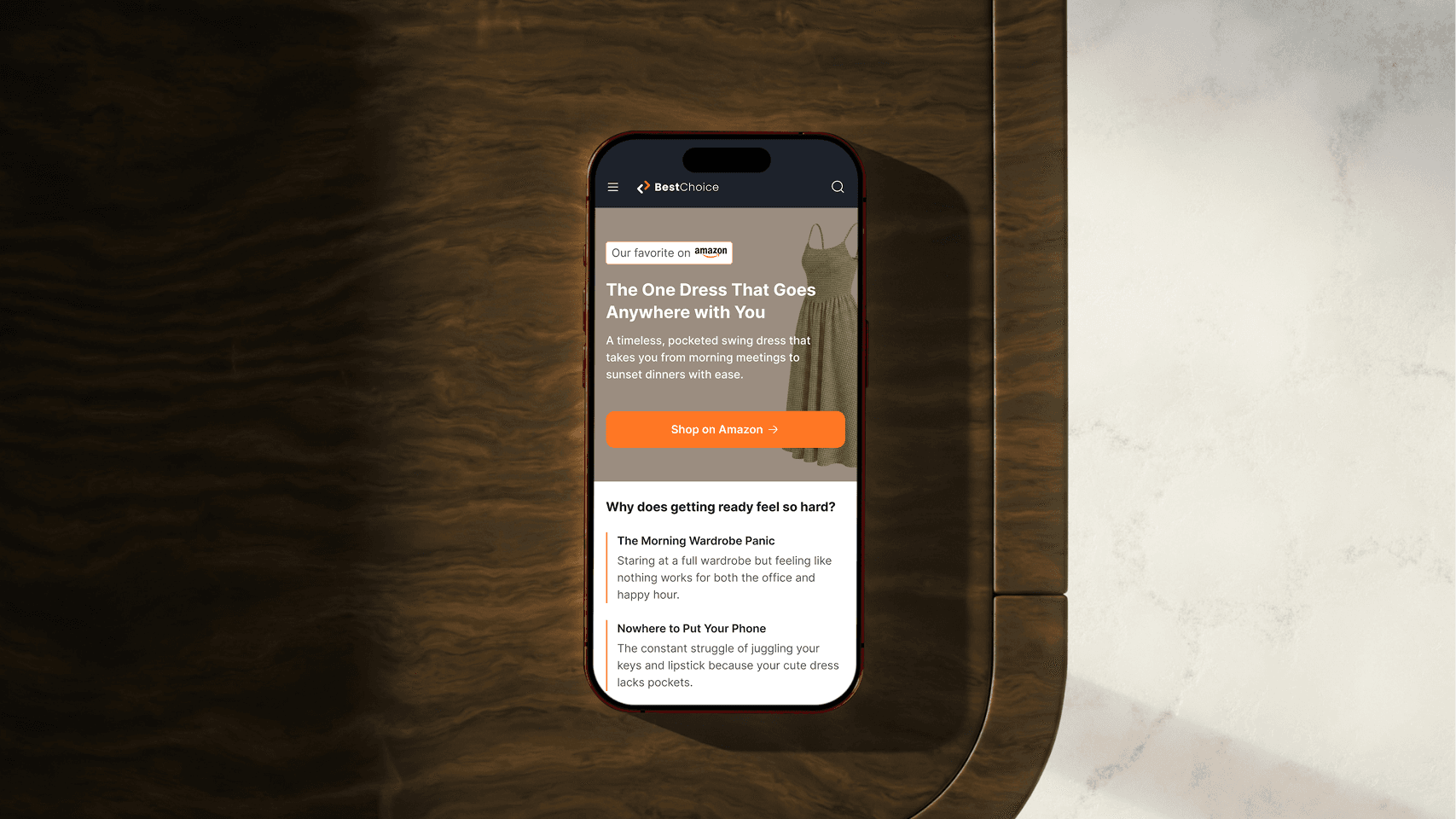
The landing page needed to serve two types of users: those who were ready to continue to Amazon immediately, and those who needed more information before making a purchase decision. Rather than forcing everyone through the same journey, I structured the experience around both behaviors. The first viewport kept the product and primary CTA immediately accessible, while the rest of the page provided a deeper product story, benefits, and answers to common questions. This allowed users to move forward at their own pace - without adding friction for those already ready to buy.
AI-Driven Workflow
Connecting research, design, and content
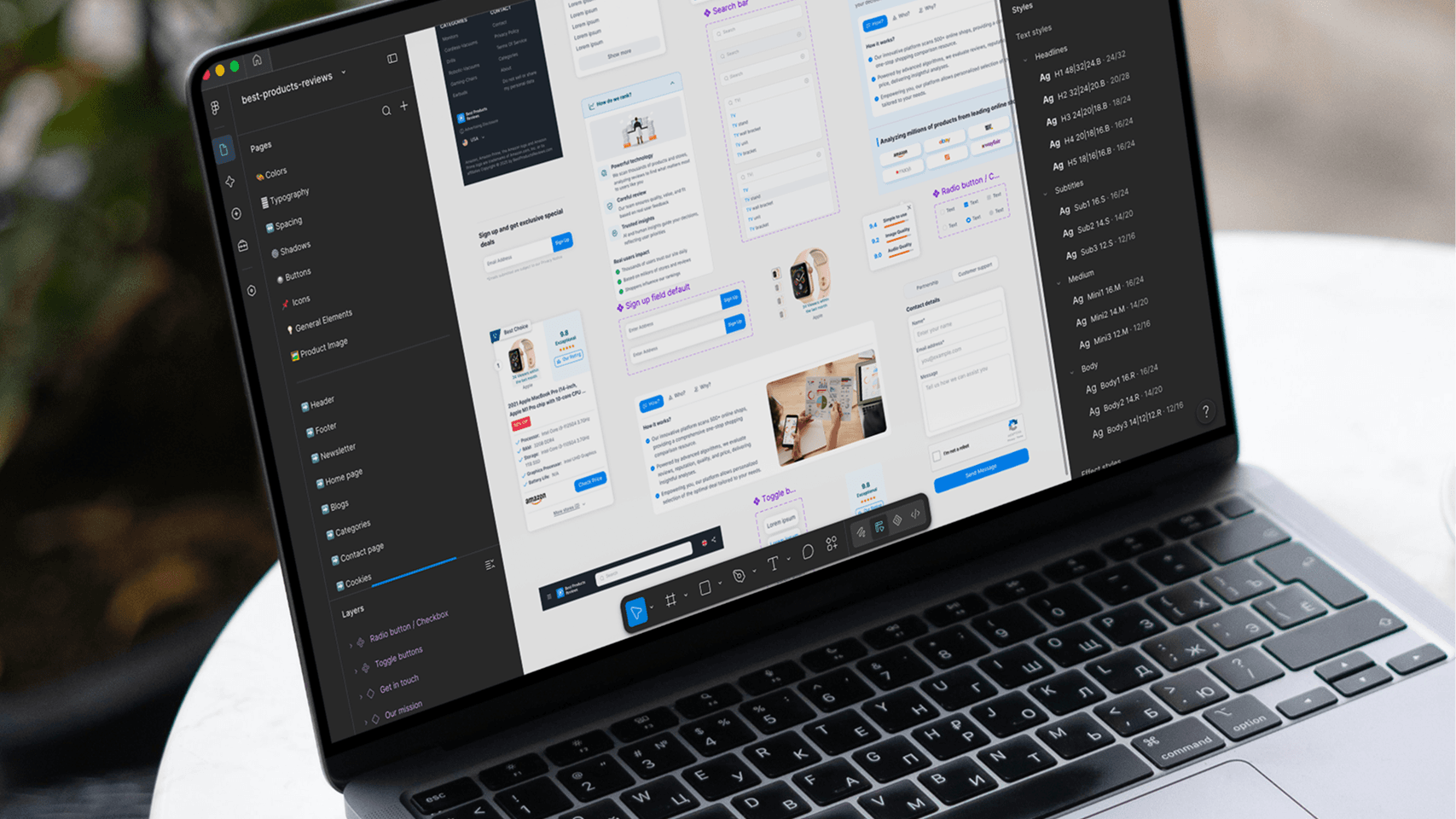
I started by using the AI Research Hub to bring together company knowledge, product context, user needs, and competitor insights. I evaluated the findings and translated them into product requirements, messaging, and content priorities.
From there, I used AI tools to develop content, explore visual directions, and create interactive prototypes. Rather than relying on generated outputs as final solutions, I refined the information hierarchy, visual language, and responsive behavior to create a cohesive product experience.
Design to Production
Moving beyond design handoff
Before this project, my experience with code was mostly exploratory. I had experimented locally with Exon's codebase to understand existing patterns and explore design ideas, but hadn't shipped code to production. For this project, I used Cursor to build the frontend directly within the company's existing repository. Working in the real codebase meant adapting the experience to existing architecture and technical constraints, rather than creating a standalone prototype. I iterated directly in the browser, refined the responsive behavior, and submitted the completed frontend through a pull request. The development team then handled the backend and Facebook infrastructure integrations required for launch. This became the first time a designer at Exon contributed code that reached production - extending design ownership beyond the handoff and into implementation.
Impact
Changing how we build products
The project took just one week from planning to pull request, compared with an original estimate of approximately six weeks. A product initiative that had been postponed repeatedly reached production, with around 75% of landing page visitors continuing to Amazon after launch. But the impact extended beyond the landing page. As the first designer at Exon to contribute production code, I helped demonstrate that designers could take greater responsibility for implementation without replacing engineering. Following the project, our workflow began to change. Designers started submitting pull requests, reviewing implementations directly in code, and building frontend foundations for new features - expanding what design could own and reducing the dependency on traditional handoffs. The project became more than a successful proof of concept. It helped establish a new way of working, where product design could move closer to production and take greater ownership of what actually shipped.